
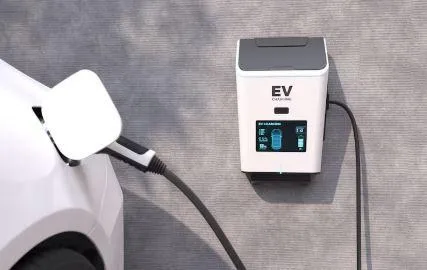
Permit Application for EV Chargers in Santa Ana, CA
Installing commercial EV chargers in Santa Ana and surrounding areas such as Tustin, Orange, Garden Grove, Costa Mesa, and Fountain Valley requires a careful understanding of the permitting process, electrical requirements, and city compliance regulations. Property owners, businesses, and developers in these regions often look for accurate guidance on how to initiate, manage, and complete the permit application process while ensuring their charging infrastructure meets California’s safety and environmental standards. With EV adoption growing rapidly across Southern California, navigating these steps properly helps guarantee smooth installation, improved efficiency, and long-term system performance.
What Makes the Commercial EV Charger Permit Process Different From Residential Applications?
Commercial EV charger permits demand a more detailed review of electrical loads, public accessibility requirements, and parking layouts than a typical residential installation. Santa Ana’s building department evaluates whether a commercial property can safely support multiple chargers, higher power capacity, and consistent daily usage. In surrounding areas, permitting teams also look at ADA accessibility, safety lighting, conduit pathways, and compliance with California Electrical Code. These factors make the commercial permit process more thorough and time-consuming than residential applications.
Why Should Businesses Start the EV Charger Permit Process Early?
Beginning early allows businesses to avoid delays, secure approvals faster, and prevent construction setbacks. Cities in and around Santa Ana often experience high demand for EV-related permits, which can extend review timelines. Early preparation ensures that electrical plans, load calculations, single-line diagrams, and site drawings are accurate and complete. This proactive approach also helps businesses accommodate additional upgrades if panel expansion, transformers, or circuitry improvements are needed.
How Does Permit Approval Benefit Businesses in the Santa Ana Region?
Proper permit approval ensures legal compliance, reduces safety risks, and protects the business from potential fines or installation rejections. When businesses across the Santa Ana region complete the permit process successfully, they gain assurance that their EV charging stations are supported by the correct electrical infrastructure. This builds customer trust, enhances property value, and helps companies align with California’s sustainability initiatives.
What Types of EV Chargers Require Permits in Santa Ana?
Both Level 2 and DC Fast Chargers require permits since they draw significant electrical power and must comply with structural, electrical, and safety requirements. Level 2 chargers are commonly used in hotels, offices, retail centers, and workplaces in Santa Ana and nearby cities. DC fast chargers, often used in high-traffic locations, typically require more extensive permitting due to their higher voltage demands and need for upgraded electrical infrastructure.
How Important Is an Electrical Capacity Evaluation Before Submitting a Permit Application?
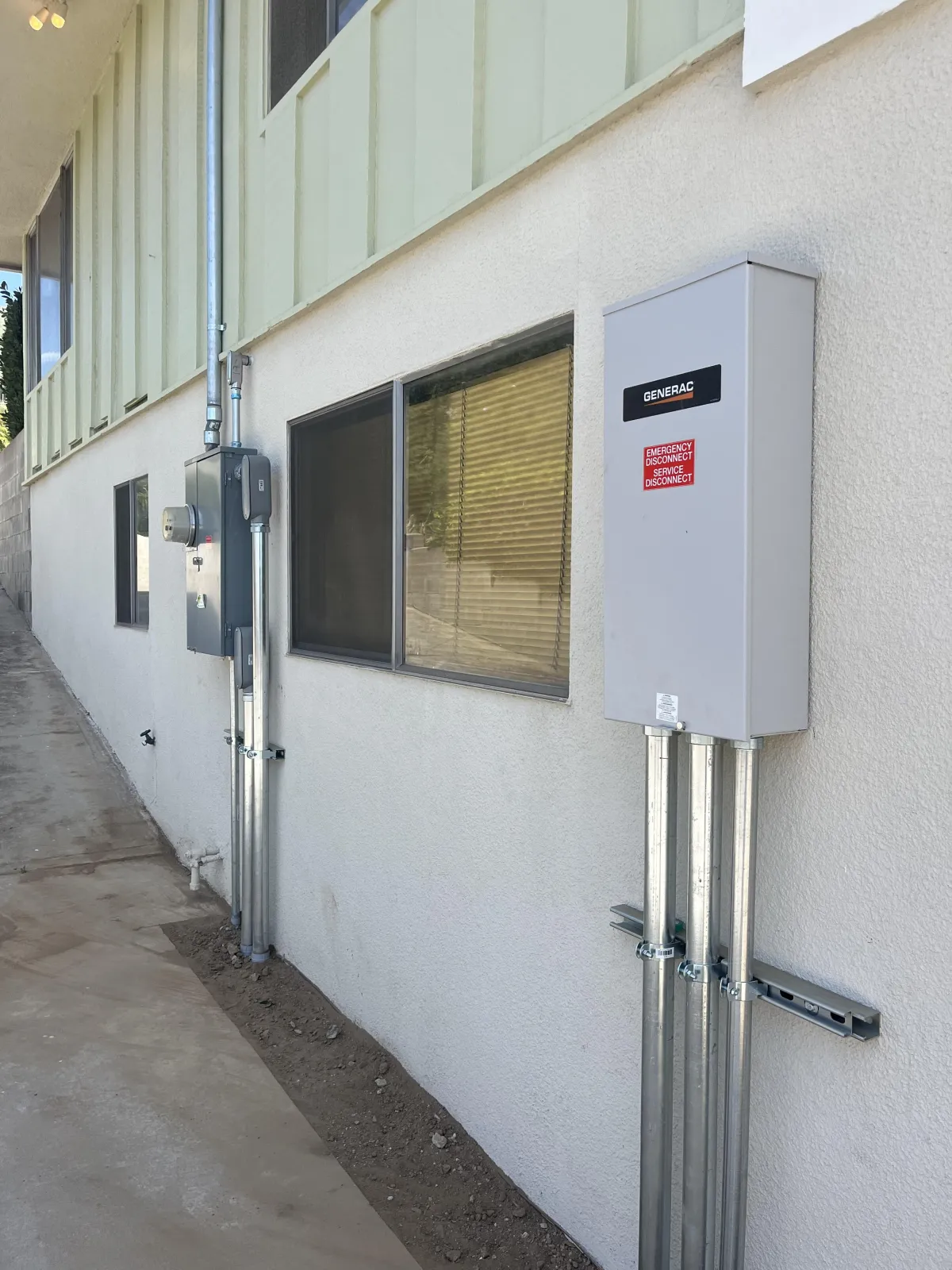
Electrical evaluations are essential because they determine whether the existing panel, wiring, and transformers can support new chargers. Without this step, businesses risk delays in the permit process or failed inspections. Santa Ana and surrounding areas require detailed electrical load calculations to ensure that installing multiple charger ports will not overload the system. Many properties need panel upgrades or dedicated circuits to meet safety and performance standards.
Are Special Inspections Required for Commercial EV Chargers?
Yes, depending on the charger type and site layout, the city may require additional inspections. This may include trench inspections, conduit checks, grounding verification, and ADA accessibility confirmation. Inspectors ensure that all work follows the approved plans. Surrounding areas may also require an electrical final inspection to verify safe operation before the system is activated.
How Can Businesses Ensure Their Permit Application Is Approved Smoothly?
Working with certified electricians and EV charger installation professionals ensures that plans are accurate and compliant. These experts prepare the necessary diagrams, load calculations, site maps, and code-compliant installation plans. Clear documentation reduces review time and increases approval likelihood. Businesses in Santa Ana and nearby cities benefit from hiring a licensed installer who manages the permit submission, communication with inspectors, and final approval process.
What Role Does Charger Placement Play in the Permit Review?
Placement affects both accessibility and compliance. Cities review whether charger locations are convenient, allow proper parking flow, and meet ADA accessibility requirements. Chargers should be visible, well-lit, and installed in areas that do not obstruct pedestrian pathways. Proper placement not only enhances usability but also ensures that the city approves the installation without objections.
Can EV Charger Permits Be Combined With Solar Integration Plans?
Yes, properties that plan to integrate solar energy into their charging system can include solar-related electrical drawings in the permit package. Solar integration supports sustainable charging and reduces long-term energy costs. Many businesses in Santa Ana and nearby areas choose this option to enhance efficiency and align with green energy goals.
How Long Does the Permit Approval Process Take in Santa Ana?
The timeline varies depending on project size, documentation accuracy, and city workload. Smaller Level 2 installations may take a few weeks, while larger commercial DC fast charging setups may require several months. Ensuring complete documentation and working with professionals significantly reduces delays.
Final Thoughts
The permit application process for EV chargers in Santa Ana and surrounding areas is a crucial step in building safe, reliable, and efficient charging infrastructure. By preparing early, conducting proper electrical evaluations, and working with certified installers, businesses can create charging stations that support community needs, attract customers, and contribute to California’s growing EV network. Proper permitting not only enhances safety and performance but also ensures long-term value for commercial properties aiming to adapt to the future of transportation.
Do all commercial EV charger installations require permits?
Yes, all commercial installations require permits to ensure safety, electrical compliance, and adherence to local codes.
Can a business apply for an EV charger permit on its own?
Yes, but using a licensed installer is recommended because professionals understand city code requirements and can streamline approval.
Does ADA compliance factor into the permit review?
Yes, cities verify accessibility to ensure that designated parking and charging stations meet ADA guidelines.
Will I need electrical upgrades before receiving a permit?
Many commercial properties do. The city reviews electrical capacity to determine if upgrades are necessary.
Can the permit process be expedited?
Some jurisdictions offer expedited services, but it depends on city workload and project size.