
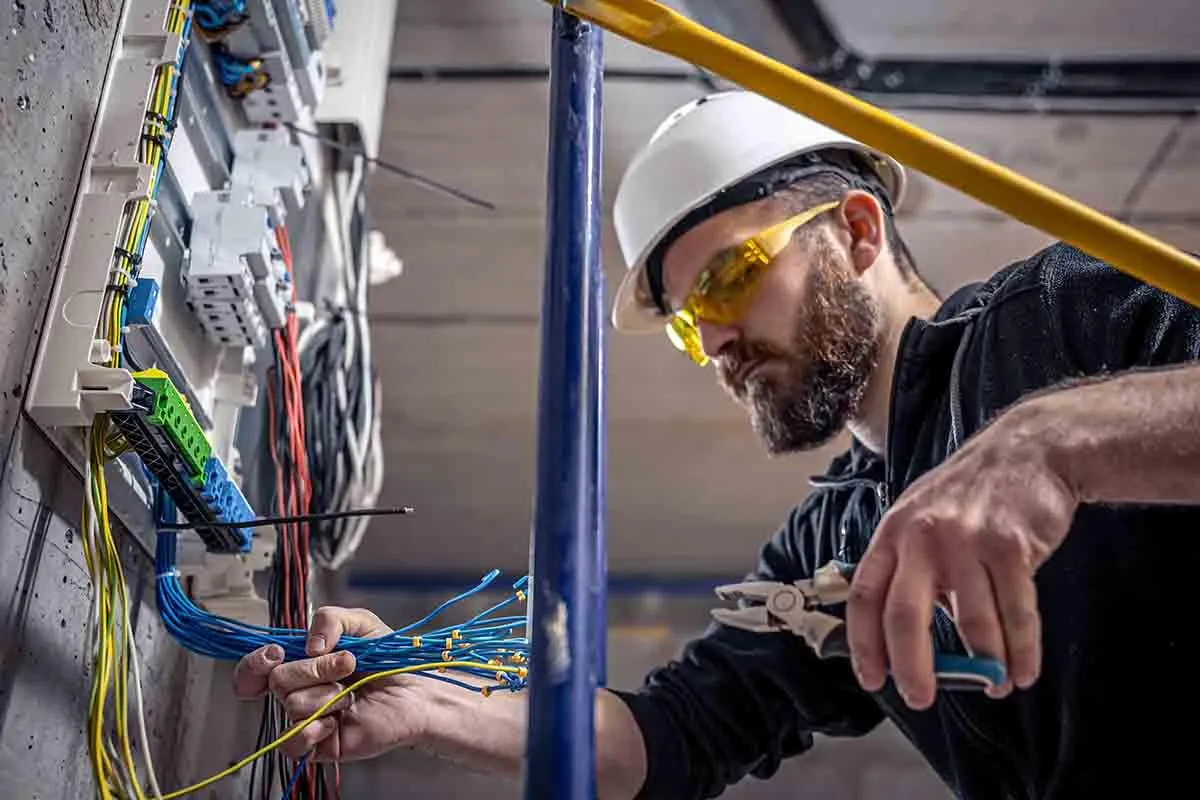
Electrical Upgrades for EV Charging in Newport Beach, CA
As electric vehicles continue to grow in popularity across Newport Beach and surrounding areas such as Costa Mesa, Laguna Beach, Irvine, and Huntington Beach, the demand for reliable charging infrastructure is rapidly increasing. Installing commercial EV chargers often requires significant electrical upgrades to ensure safe operation, consistent power delivery, and long-term durability. Businesses, property owners, and community developers in these regions must understand the essential steps, requirements, and benefits of upgrading their electrical systems before adding EV charging stations. A proper electrical upgrade ensures safety, compliance, efficiency, and the ability to support multiple chargers for employees, residents, and customers.
What Makes Commercial EV Charger Installation Different From Residential Setups?
Commercial setups require far more electrical capacity, load distribution, and infrastructure planning than residential chargers. While residential chargers typically power a single vehicle, commercial chargers must support multiple users, operate for long hours, and deliver higher charging speeds. In Newport Beach and nearby areas, commercial installations must comply with city codes, ADA guidelines, electrical load requirements, and safety regulations. These factors make commercial installations more complex and require professional electrical upgrades such as panel expansions, new circuits, transformer upgrades, and enhanced grounding systems.
Why Are Electrical Upgrades Important Before Installing Commercial EV Chargers?
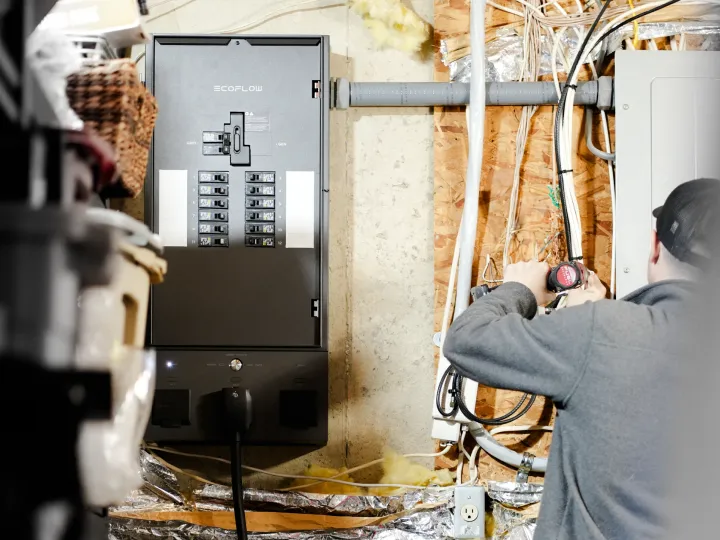
Electrical upgrades ensure that the existing infrastructure can handle the power demands of high-capacity EV chargers. Without proper upgrades, businesses risk power overloads, voltage drops, system failures, and safety hazards. Upgrades are especially critical in older buildings across Newport Beach and surrounding cities where electrical systems may not be equipped for modern EV charging requirements. Upgrading panels, circuits, wiring, and transformers guarantees that the charging network is efficient, safe, and capable of supporting future expansion.
Why Should Businesses Invest in EV Charging Infrastructure?
Businesses benefit from increased visibility, improved customer satisfaction, and enhanced sustainability branding. Providing EV charging encourages drivers to visit, stay longer, and return frequently. Companies in and around Newport Beach also contribute to regional clean energy goals and help support California’s long-term EV transition. Installing chargers positions a business as forward-thinking and environmentally responsible, appealing to both customers and employees.
Which Types of EV Chargers Typically Require Electrical Upgrades?
Both Level 2 chargers and DC Fast Chargers often require upgrades, but the scale differs. Level 2 chargers may require panel upgrades, new circuits, or load management systems, especially when installing multiple units in commercial settings. DC fast chargers require extensive electrical support, including high-voltage lines, dedicated transformers, and robust grounding. Businesses across Newport Beach, Laguna Beach, Irvine, and Costa Mesa often find that DC fast chargers demand the most significant electrical enhancements.
How Important Is an Electrical Capacity Evaluation Before Installation?
An electrical capacity evaluation is one of the most important steps in the planning process. It helps determine whether the existing infrastructure can support new chargers without stressing the system. Load calculations, panel inspections, and transformer assessments help prevent power disruption and ensure compliance with local codes. Many properties require electrical upgrades to avoid system overload when installing multiple chargers, especially in high-traffic areas.
Are Permits Required for Electrical Upgrades and EV Charger Installation?
Yes, permits are mandatory to ensure safety, compliance, and proper operation. Licensed electricians handle the permit process and work with inspectors to meet Newport Beach and California electrical standards. Permits cover electrical work such as panel upgrades, rewiring, trenching, and charger installation. Ensuring permits are approved before starting the project helps avoid delays and prevents costly rework.
What Costs Should Property Owners Expect When Upgrading Electrical Systems?
Costs vary depending on charger type, the number of units, electrical capacity, and installation complexity. Businesses may need to invest in new panels, additional wiring, upgraded transformers, or trenching for underground cables. While the initial investment may be significant, many businesses experience increased customer engagement, property value growth, and long-term financial benefits from offering EV charging.
Can EV Charging Systems Integrate With Solar Power After Electrical Upgrades?
Yes, solar energy integration is an excellent option for businesses aiming to reduce energy costs and promote sustainability. After electrical upgrades, solar-compatible systems can be installed to support EV charging demand. This integration helps reduce peak-hour consumption, improves energy independence, and supports California’s green energy initiatives.
How Important Is Charger Placement When Planning Electrical Upgrades?
Charger placement directly impacts electrical routing, installation cost, accessibility, and user convenience. Chargers should be placed in visible, accessible, well-lit parking spaces that allow for easy cable reach and ADA compliance. Proper placement ensures efficient wiring routes and reduces the need for additional trenching or conduit work. Planning early helps avoid unnecessary electrical expenses.
What Smart Features Should Businesses Consider When Upgrading Electrical Systems?
Smart chargers provide benefits such as load management, remote monitoring, user tracking, and payment processing. These features require stable electrical infrastructure and may influence the type of upgrades needed. Businesses in Newport Beach and surrounding areas often choose smart systems to support multiple users, manage energy consumption, and generate revenue from public charging.
How Can Businesses Maintain EV Chargers After Upgrading Their Electrical Systems?
Routine maintenance includes inspections, performance monitoring, software updates, and cleaning to ensure smooth operation. Electrical components such as panels, breakers, and wiring should also be checked periodically. Regular maintenance prevents downtime, improves charger lifespan, and guarantees consistent customer satisfaction.
What Additional Electrical Upgrades Might Be Needed for Future Expansion?
Future expansion may require additional circuits, higher-capacity panels, load management software, or alternate power sources such as solar or battery storage systems. Planning ahead ensures that businesses can scale their charging stations as customer demand increases across Newport Beach and surrounding areas.
Final Thoughts
Electrical upgrades for EV charging are essential for building a reliable, safe, and future-proof charging network. Businesses and property owners in Newport Beach and nearby communities benefit from preparing early, working with certified electricians, and investing in infrastructure that supports the rising demand for EV charging. With proper planning, smart technology integration, and ongoing maintenance, businesses can operate efficient charging stations that attract customers, support environmental initiatives, and increase property value for years to come.
Do all EV charger installations require electrical upgrades?
Not always, but most commercial installations require at least some level of upgrade depending on electrical capacity.
How long does an electrical upgrade typically take?
It depends on the scope of work. Smaller panel upgrades may take a day, while more complex projects may take weeks.
Are electrical upgrades mandatory for DC fast charging?
Yes, DC fast chargers require significant power and almost always need panel and transformer upgrades.
Can electrical upgrades reduce energy costs?
Upgrades can support load management systems and solar integration, helping reduce long-term costs.
Will electrical upgrades prepare my business for future EV growth?
Yes, upgrading infrastructure now ensures you can easily expand your charging network as EV adoption increases.