
Common Issues With EV Chargers and How to Fix Them in Laguna Hills County – Surrounding Areas
EV chargers have become a vital part of everyday life in Laguna Hills County and the surrounding areas, where electric vehicle usage continues to grow. As more homeowners and businesses rely on home charging solutions, understanding common problems and knowing how to fix them has become essential for safe and efficient charging. This question-based guide explains typical EV charger issues, how to troubleshoot them, and when to contact a professional for help. With more families investing in sustainable transportation, maintaining a reliable charging system ensures long-term performance and convenience.
What Causes EV Chargers to Stop Working Suddenly?
A charger may stop functioning due to loose wiring, tripped breakers, worn-out connectors, or overheating. Power interruptions within the home’s electrical system may also halt charging unexpectedly. Homeowners across the area often encounter these issues during periods of high energy demand. Addressing the root cause requires checking the circuit breaker, inspecting the outlet, and confirming that the vehicle’s charging port is clean. If the problem persists, a licensed technician should test the wiring and charger components to ensure safe operation.
Why Do EV Chargers Experience Slow Charging and How Can It Be Fixed?
Slow charging typically results from insufficient voltage, weak circuits, outdated wiring, or the charger automatically lowering output due to overheating. Sometimes the vehicle itself may reduce charging speed if the battery temperature is too high or too low. The solution involves ensuring the charger is on a dedicated circuit, verifying proper amperage, and allowing the charger to cool down if overheated. Technicians may also recommend upgrading circuits or using higher-capacity wiring for consistent charging performance.
What Should You Do When the Charger Shows No Power at All?
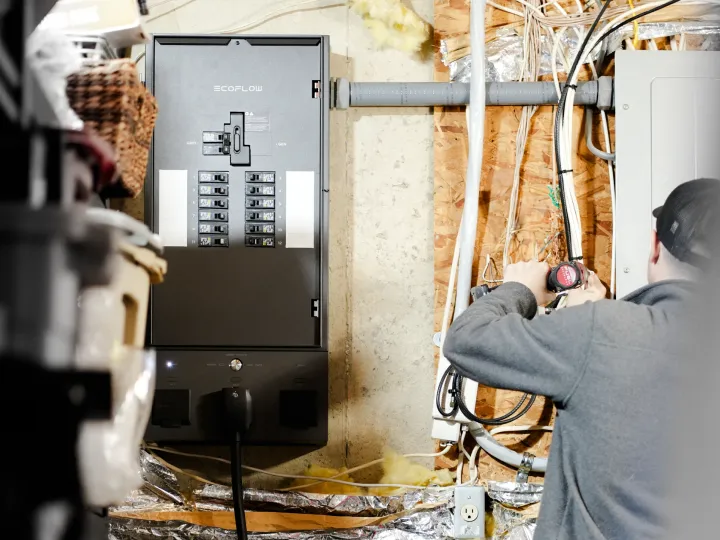
No power often indicates tripped breakers, damaged cables, or faulty internal components. Homeowners should first check the electrical panel to make sure the breaker connected to the EV charger has not shut off. If the breaker continuously trips, there may be a deeper issue within the wiring or the charger’s internal board. Replacing damaged cables or tightening connections often restores power, but persistent failures require professional inspection to avoid potential electrical hazards.
Why Does an EV Charger Overheat and Shut Down?
Overheating occurs when the charger operates for long hours, is installed in a poorly ventilated area, or has worn-out internal components. Chargers include built-in features that automatically shut them down when temperatures exceed safe limits. To fix this, homeowners should improve ventilation around the charger, avoid covering the unit, and ensure wiring connections are tight. If overheating continues, an electrician should evaluate the charger’s internal hardware and possibly replace thermal sensors or faulty boards.
What Causes EV Chargers to Disconnect Before the Battery Is Full?
Random disconnections may result from unstable power supply, temperature fluctuations, loose cables, or software issues within the vehicle. This can be frustrating for daily users who rely on consistent overnight charging. Ensuring the charger is firmly connected, updating the vehicle’s software, and inspecting the plug for debris often solve the issue. In cases where the charger loses communication with the vehicle, resetting both the charger and the car can restore normal operation.
How Do Faulty Connectors Lead to Charging Problems?
With regular use, connectors can become worn, corroded, or bent, making it difficult for the charger to establish a secure connection with the vehicle. Dust, moisture, or debris inside the connector also interrupts charging. Cleaning the connector gently and inspecting it for signs of wear helps maintain reliable performance. If physical damage is present, replacing the connector is necessary to prevent electrical arcing, overheating, or complete charging failure.
Why Do Circuit Breakers Trip During Charging Sessions?
A tripping breaker is one of the most common issues in residential EV charging. This often happens when the charger shares a circuit with other high-power appliances, overloading the system. It can also occur if wiring is undersized or damaged. The solution involves placing the charger on a dedicated circuit, upgrading the panel if needed, and ensuring that all electrical components meet current safety requirements. Professionals can identify whether the issue is with the home’s system or the charger itself.
What Should You Do if the Charger Does Not Recognize the Vehicle?
Communication errors between the EV and charger may occur due to software issues, faulty pins, or damaged communication circuits. Vehicles sometimes fail to initiate charging if their onboard systems detect an error. Resetting the charger, restarting the vehicle, and updating firmware often restore communication. If pins are bent or broken, they must be replaced by a technician to ensure safe charging.
How Do Weather Conditions Affect EV Charger Performance?
Extreme heat, cold, or moisture exposure can reduce charging efficiency or temporarily disable the charger’s internal safety systems. Outdoor chargers need proper weatherproofing to prevent corrosion and water intrusion. Homeowners can extend charger lifespan by installing protective covers, ensuring proper sealing, and scheduling inspections during seasonal changes. Indoor chargers also benefit from stable temperatures and adequate ventilation.
Why Does the Charging Cable Get Hot During Use?
Heating cables are often due to loose connections, aging wiring, or using connectors not rated for the charger’s amperage. Although slight warmth is normal, excessive heat indicates electrical resistance or faulty components. Inspecting cable ends, tightening connections, and replacing damaged wires helps prevent safety risks. Persistent overheating requires a professional evaluation to avoid fire hazards.
Final Thoughts
EV chargers play a crucial role in daily life for electric vehicle owners across Laguna Hills County and neighboring areas. When problems arise, understanding the cause and knowing how to troubleshoot them helps maintain efficient and safe charging. Whether the issue involves slow charging, tripping breakers, overheating, or communication errors, early detection and proper repair can prevent costly damage. With professional support and routine maintenance, homeowners can enjoy reliable, long-term charging performance and protect their investment in clean transportation.
How long do EV chargers usually last?
Most chargers last 8–10 years with proper maintenance and safe usage.
Can I fix EV charger problems myself?
Minor issues can be handled at home, but electrical repairs should be performed by professionals.
Are Level 2 chargers more likely to develop problems?
No, they are designed for higher performance and safety, but they require proper installation.
Does weatherproofing help outdoor chargers?
Yes, proper sealing and protection significantly extend charger lifespan.
Why is my charger locked and won’t release the cable?
This is often a vehicle-side safety feature; restarting the vehicle typically unlocks the port.