
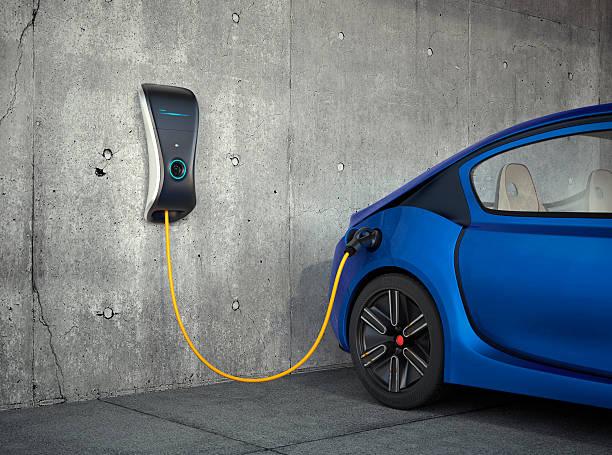
Affordable EV Charger Installation in Santa Ana – Surrounding Areas
Upgrading to an electric vehicle is becoming increasingly common throughout Santa Ana and its surrounding areas, where homeowners are looking for efficient, affordable, and safe EV charger installation services. As neighborhoods continue to expand and more families consider EV adoption, understanding the installation process, costs, safety requirements, and long-term benefits becomes essential. This guide explains everything in a question-based format to help homeowners make informed decisions while keeping the needs of nearby communities in mind.
What Makes EV Charger Installation Affordable for Homeowners Today?
Affordability in EV charger installation depends on several factors such as the type of charger, distance from the electrical panel, existing wiring condition, and whether any upgrades are required. When the home already has suitable wiring or available panel capacity, installation becomes much quicker and less labor-intensive. This reduces the overall cost significantly. Technicians working across Santa Ana and nearby neighborhoods often recommend planning ahead, comparing quotes, and clarifying whether permits and inspections are included in the final price to avoid unexpected expenses.
How Do EV Charging Levels Affect Installation Costs and Efficiency?
Electric chargers generally fall into two categories—Level 1 and Level 2. Level 1 chargers are simple, plug-and-play units requiring minimal electrical adjustments, making them inexpensive and easy to install. Level 2 chargers require a 240-volt connection and often deliver much faster charging speeds, but they may require specialized wiring or circuit upgrades. Homeowners across local communities often choose Level 2 chargers for convenience despite the slightly higher installation cost because the long-term efficiency outweighs the initial investment.
What Should Homeowners Know About Electrical Panel Compatibility?
Before installation, a certified electrician evaluates the home's electrical panel to confirm it can support the added charger load. If the panel is modern and has open circuits, the installation becomes very straightforward. However, older homes may require panel upgrades to meet safety codes. These upgrades can increase overall cost, but they also improve household energy efficiency and reduce electrical risks, especially important for families adopting long-term EV usage.
Why Does Distance Between the Charger and Electrical Panel Matter?
The farther the charger is from the electrical panel, the more wiring and conduit are required. This also increases labor time. Many homes across the region place chargers in garages or driveways, but wiring routes vary depending on the structure layout. Shorter distances reduce material costs, making the overall project more affordable. Proper planning helps minimize unnecessary wiring expenses while ensuring a secure and reliable charging setup.
How Do Permits and Inspections Influence Installation Time?
Electrical permits are often mandatory for EV charger installations to meet local building codes. These permits help guarantee safety and protect homeowners from potential electrical hazards. While permits may add a small cost, they ensure that the installed system complies with regional regulations. Inspections conducted after installation verify that everything is functioning safely and efficiently, providing long-term peace of mind for homeowners.
What Are the Benefits of Hiring a Certified EV Charger Installer?
Certified installers understand wiring requirements, load calculations, safety code compliance, and EV equipment compatibility. Hiring professionals reduces the risk of improper wiring, electrical overload, or system failure. Homeowners across Santa Ana and its surrounding communities often rely on certified technicians because they can identify hidden electrical issues, recommend cost-effective solutions, and complete installations in a timely and safe manner.
How Can Homeowners Reduce Total Installation Costs?
Cost reduction often comes from using existing circuits, installing chargers closer to panels, avoiding unnecessary upgrades, and selecting reliable but reasonably priced charger brands. Comparing multiple installation quotes is one of the easiest ways to ensure fair pricing. Some homeowners also take advantage of seasonal discounts or utility rebates, which further reduce overall cost. Planning the installation before purchasing a vehicle can also help identify savings opportunities.
What Common Challenges Occur During EV Charger Installations?
Common challenges include limited panel capacity, outdated wiring, long distances between charger placement and panels, or structural barriers. These issues may add cost or time to the project. However, skilled technicians can usually work around them with alternative routing, upgraded wiring, or recommended panel improvements. Understanding these possibilities upfront helps homeowners avoid surprise expenses during the process.
How Long Does a Typical Installation Take?
Installation times vary depending on complexity. Simple installations may be completed in just a few hours, while more involved projects requiring panel upgrades or extended wiring might take a full day. Planning ahead ensures homeowners experience minimal disruption and can start using their EV charger quickly. Many installations across the region are completed same-day when no major modifications are required.
What Safety Considerations Are Important During Installation?
Safety checks include verifying grounding, ensuring circuits are correctly rated, using high-quality wiring, installing proper conduit, and testing voltage output. Technicians also examine surrounding structures to ensure that chargers are mounted securely and protected from environmental exposure. Following these steps ensures long-term reliability, prevents electrical fires, and keeps households safe.
Final Thoughts
Affordable EV charger installation has become easier, safer, and more efficient for homeowners across Santa Ana and its surrounding areas. By understanding installation requirements, choosing the right charger type, preparing your electrical system, and working with professional installers, you can ensure long-term value and safe, reliable charging at home. Proper planning helps reduce cost and ensures the installation blends smoothly with your home’s existing electrical setup. With EV adoption growing steadily, now is the perfect time to prepare your home for the future of transportation.
Do all EV chargers require permits?
Most installations require permits, especially Level 2 chargers, to ensure compliance with building codes.
Can I install a charger outdoors?
Yes, many chargers are designed for outdoor use as long as they are properly weatherproofed and safely mounted.
Can renters install chargers?
Renters must obtain permission from property owners and may have to follow additional regulations.
How much does a basic installation cost?
Prices vary but often remain affordable when no upgrades are needed.
Will a charger increase my electricity bill?
Yes, but usually only slightly depending on driving habits and charger type.